



What you eat directly affects your brain. Your brain needs the right nutrients to stay sharp, improve focus, and support memory. Foods rich in antioxidants, healthy fats, vitamins, and minerals can fuel your brain and even help protect against cognitive decline. Here's a quick look at 10 foods that can give your brain a boost:
- Blueberries: Packed with antioxidants like anthocyanins, they improve memory and protect against aging.
- Salmon: Rich in omega-3 fatty acids (DHA and EPA), it supports brain cell health and reduces inflammation.
- Walnuts: High in plant-based omega-3s, antioxidants, and vitamin E, they enhance cognitive performance.
- Eggs: Loaded with choline and B vitamins, they aid memory and neurotransmitter production.
- Leafy Greens: Nutrient-dense with vitamin K, folate, and lutein to combat cognitive decline.
- Dark Chocolate: Contains flavanols and antioxidants to improve focus and blood flow to the brain.
- Turmeric: Curcumin boosts memory, reduces inflammation, and supports neuron growth.
- Pumpkin Seeds: Full of magnesium, zinc, and iron to improve focus and brain function.
- Tomatoes: Lycopene fights free radicals and supports long-term brain health.
- Whole Grains: Provide steady glucose for consistent energy and focus.
Quick Comparison
| Food | Key Nutrients | Benefits |
|---|---|---|
| Blueberries | Antioxidants, Vitamin C | Improves memory, reduces aging effects |
| Salmon | Omega-3s, Vitamin D | Enhances cognition, reduces inflammation |
| Walnuts | Omega-3s, Antioxidants | Boosts focus, protects brain cells |
| Eggs | Choline, B Vitamins | Supports memory and learning |
| Leafy Greens | Vitamin K, Folate | Slows cognitive decline |
| Dark Chocolate | Flavanols, Antioxidants | Sharpens focus, improves blood flow |
| Turmeric | Curcumin | Reduces inflammation, boosts neuron growth |
| Pumpkin Seeds | Magnesium, Zinc, Iron | Improves focus, combats brain fog |
| Tomatoes | Lycopene | Protects against free radicals |
| Whole Grains | B Vitamins, Fiber | Provides steady energy for focus |
Small dietary changes, like adding these foods, can enhance your focus today and protect your brain long-term. Dive into the full article for more details on how these foods work.
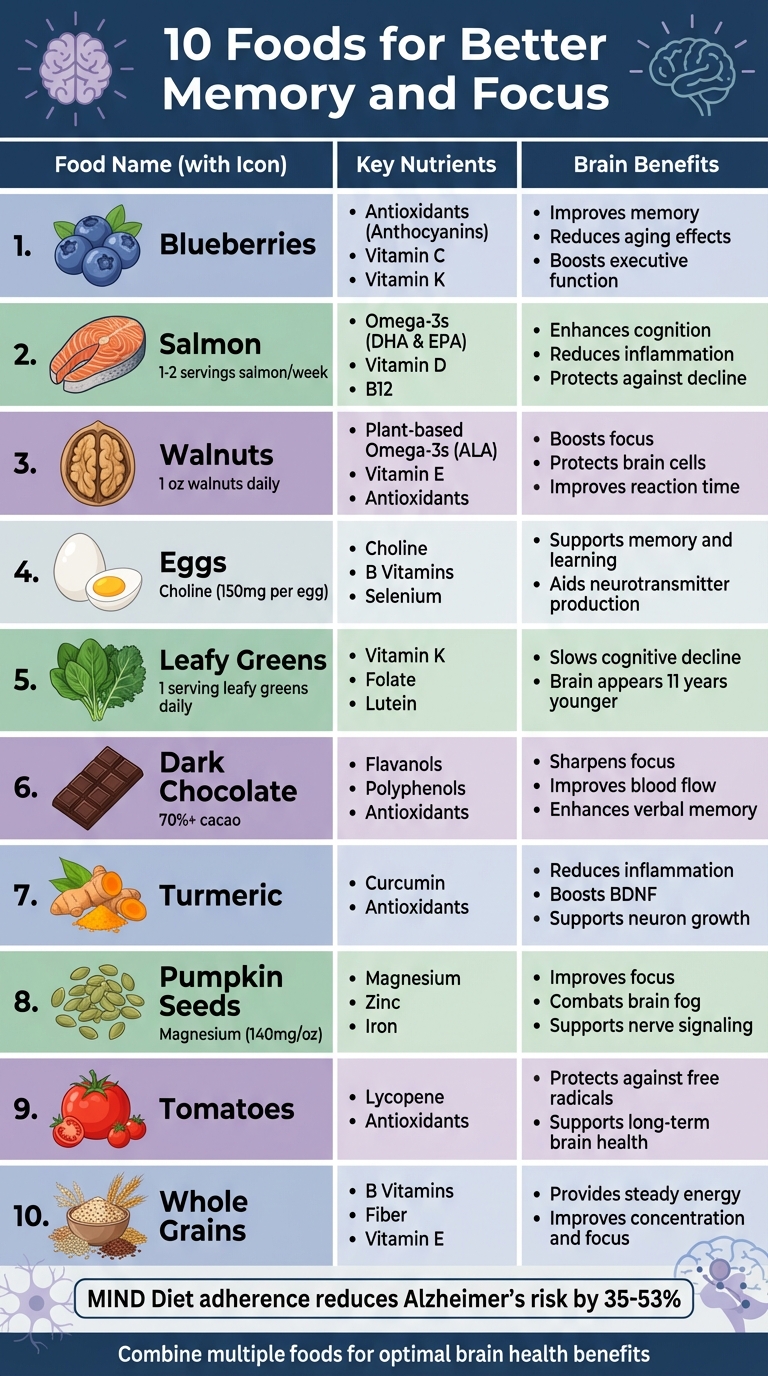
10 Brain-Boosting Foods: Key Nutrients and Cognitive Benefits Comparison Chart
1. Blueberries
Packed with Brain-Boosting Goodness
Blueberries may be small, but they pack a punch when it comes to brain health. Their vibrant color comes from anthocyanins, a type of flavonoid that can cross the blood-brain barrier and improve cell communication. Wild blueberries take it up a notch, offering 33% more anthocyanins and twice the antioxidants compared to their cultivated counterparts.
But it’s not just anthocyanins that make blueberries a nutritional powerhouse. They’re loaded with Vitamin K, Vitamin C, Vitamin E, manganese, and fiber. Plus, their high water content helps keep you hydrated, which is key for maintaining mental energy.
"It is the flavonoids, particularly the anthocyanin pigments, which are most potent for brain health." – Mary Ann Lila, Professor, North Carolina State University
These nutrients play a vital role in supporting cognitive health.
Boosts Cognitive Performance
Studies back up the brain-friendly reputation of blueberries. A 2022 randomized controlled trial found that adults aged 50–65 who ate half a cup of blueberries daily for 12 weeks experienced noticeable improvements in executive function. Similarly, older adults (ages 75–80) with mild cognitive impairment saw their processing speed improve to match healthier peers after consuming wild blueberry powder for six months. Even kids aren’t left out - children aged 7–10 showed better memory performance just 1.25 hours after eating blueberries. This boost comes from improved brain blood flow and enhanced neuron communication.
Protects Brain Health Over Time
Blueberries don’t just deliver short-term benefits - they also help safeguard your brain for the long haul. Research suggests that diets rich in flavonoid-packed fruits like blueberries can lower the risk of Alzheimer’s disease and other dementias. The MIND diet, a plan tailored for brain health, recommends eating at least two servings of berries each week. Whether you choose fresh or frozen, both are equally nutritious. Just watch out for added sugars on the label, as they can undercut these benefits.
2. Salmon
Packed with Brain-Boosting Nutrients
Salmon is a nutritional superstar when it comes to brain health, thanks to its rich content of omega-3 fatty acids like DHA and EPA. These fats are essential because your body can’t make them on its own, yet they play a key role in brain function. Fun fact: about 60% of your brain is made up of fat, and more than half of that consists of omega-3 fatty acids. DHA acts as a building block for brain and nerve cells, while EPA helps reduce inflammation in the central nervous system.
But omega-3s aren’t the only benefit. A 6-ounce serving of wild-caught sockeye salmon packs 24 micrograms of Vitamin D - 120% of your daily needs. Salmon is also a great source of Vitamin B12, selenium (to combat oxidative stress), and choline, which supports the production of acetylcholine, a neurotransmitter vital for memory and mood. This nutrient combo not only boosts brain function now but also helps protect it for the future.
Improves Cognitive Function
Regularly eating fatty fish, like salmon, can enhance memory and cognitive performance. Just 1–2 servings per week can make a difference. Omega-3s play a critical role in supporting your brain’s white matter, the network that connects different brain regions. This results in faster information processing and better communication between neurons.
"Even at younger ages, if you have a diet that includes some omega-3 fatty acids, you are already protecting your brain for most of the indicators of brain aging." – Dr. Claudia Satizabal, Researcher, UT Health San Antonio
Research also shows that omega-3s can increase the volume of gray matter, the part of the brain responsible for decision-making, memory, and emotions. This boost can sharpen learning, enhance recall, and improve problem-solving skills. On top of that, omega-3s help combat mental fatigue and promote better sleep.
Protects Against Cognitive Decline
Salmon doesn’t just help your brain today - it also shields it from future cognitive issues. Higher omega-3 levels have been linked to lower beta-amyloid levels, which are associated with Alzheimer’s disease, and a reduced risk of memory loss. In contrast, low DHA levels have been connected to an increased likelihood of Alzheimer’s and other forms of cognitive decline.
"There is strong evidence that fish can help decrease degeneration of the brain. It may also help with memory decline in the elderly." – Dr. Babak Tousi, MD, Memory and Brain Health Specialist, Cleveland Clinic
For long-term benefits, aim to eat two 3- to 4-ounce servings of salmon per week. Wild-caught varieties are your best bet for higher omega-3 content and fewer contaminants. Baking, broiling, or grilling your salmon is ideal, and pairing it with olive oil and rosemary can add an antioxidant boost.
Reduces Inflammation
Salmon’s omega-3s also work to lower inflammation and oxidative stress, protecting your brain cells from damage caused by free radicals. EPA and DHA help maintain healthy blood flow to brain tissues, which is crucial for optimal function. Additionally, these fats support the gut-brain connection by promoting a healthy gut barrier - this can help reduce anxiety and stabilize mood.
"Your best source of nutrients is from food." – Laura E. Wargo, RD, Registered Dietitian, Northwestern Medicine
This anti-inflammatory power makes salmon a key part of diets like the MIND and Mediterranean diets, which are linked to slower cognitive aging and a reduced risk of dementia.
3. Walnuts
Packed with Brain-Nourishing Nutrients
Walnuts stand out as the only nut rich in alpha-linolenic acid (ALA), a plant-based omega-3 crucial for brain health. Just one ounce of walnuts delivers about 2.5 grams of ALA, alongside a mix of brain-supporting nutrients like vitamin E, folate, melatonin, selenium, polyphenols (such as flavonoids and ellagic acid), and B-vitamins like B6 and B12. This nutrient blend helps fortify brain cell membranes and enhances communication between neurons.
When it comes to antioxidants, walnuts are powerhouses. They rank second out of 1,113 tested foods for antioxidant content. To put it in perspective, 50 grams of walnuts pack more phenolic compounds than an 8-ounce glass of apple juice or a 5-ounce glass of red wine.
"Walnuts don't just resemble your brain - they're built to protect it." – Shayan Khazaei, M.D., Neurologist
These nutrient-dense nuts play a vital role in supporting neural signaling and overall brain health.
Enhances Cognitive Performance
The healthy fats in walnuts improve the fluidity of cell membranes and boost synaptic function, which helps maintain steady blood flow to the brain. This translates to sharper mental energy and better focus. A 2025 study published in Food & Function found that young adults (ages 18–30) who ate a breakfast containing 50 grams of walnuts showed faster reaction times on cognitive tasks, particularly those involving inhibition and task-switching. Memory recall hit its peak about six hours after consumption.
"Unsaturated fatty acids can protect the brain via better nerve cell function and better cardiovascular circulation of blood to the brain." – Rhonda Voskuhl, M.D., Neurologist
For optimal benefits, try eating 1 to 1.5 ounces of walnuts daily. Adding them to breakfast is a smart move, as research suggests a walnut-rich morning meal can enhance brain function and cognitive performance throughout the day.
Supports Long-Term Brain Health
Beyond their immediate cognitive perks, walnuts have been associated with long-term benefits like increased gray matter volume, the part of the brain responsible for processing and thinking. They also combat the formation of amyloid-beta protein fibrils, which are central to the plaques linked to Alzheimer’s disease. In a study of over 15,000 women, those who ate five or more servings of nuts weekly scored cognitively as if they were two years younger than those who didn’t consume nuts. Similarly, the PREDIMED trial in Spain revealed that participants on a Mediterranean diet enriched with mixed nuts (including walnuts) had significantly better memory and cognitive performance after 4.1 years.
"Early and long-term dietary supplementation with walnuts may help to maintain cognitive functions and may reduce the risk of developing, or delay the onset and/or slow the progression of, MCI and dementia." – Abha Chauhan, Researcher, New York State Institute for Basic Research in Developmental Disabilities
Antioxidants and Anti-Inflammatory Benefits
Walnuts also shine when it comes to protecting the brain from oxidative stress and neuroinflammation, two major factors in age-related cognitive decline. Their antioxidants neutralize harmful free radicals that can damage brain cells, while their anti-inflammatory compounds help lower cytokines like IL-6 and TNF-α, which can otherwise disrupt neural communication and affect mood and focus.
5 Foods You Need to Eat DAILY for Better Brain Health & Focus
4. Eggs
Eggs are a powerhouse when it comes to supporting brain health, offering both immediate cognitive benefits and long-term protection for your mind.
Packed with Nutrients for Brain Health
Eggs are loaded with nutrients that play a key role in brain function. For example, a single egg contains about 150 mg of choline, a nutrient essential for producing acetylcholine - a neurotransmitter critical for learning and memory. The yolk is rich in lutein and zeaxanthin, antioxidants that help fight chronic inflammation, which has been linked to dementia and Alzheimer's disease. Beyond that, eggs provide over 20% of your daily selenium needs and more than 30% of your daily vitamin D intake, both of which are important for protecting brain cells and supporting overall brain health.
Eggs also come with B vitamins, which help lower homocysteine levels - a compound that can harm brain cells if it builds up. Plus, they contain protein and tryptophan, which aid in serotonin production, helping to regulate mood.
"Eggs are one of the best sources of choline, a nutrient that improves cognitive health. This nutrient helps the body make acetylcholine, a brain chemical that's essential for learning and memory." – Ashlee Carnahan, MS, RDN, Henry Ford Health
Enhances Cognitive Performance
The nutrients in eggs don’t just protect your brain - they actively enhance its performance. Research shows that eating eggs in moderation (about 0.5–1 egg per day) is linked to a lower risk of dementia and better memory. Even consuming as little as 187.6 mg of choline daily has been associated with improvements in verbal fluency, processing speed, and reaction time in older adults.
Clinical studies also highlight the benefits of B vitamins in eggs. High doses of B6, B12, and folic acid have been shown to significantly slow brain shrinkage over time. This is crucial, as elevated homocysteine levels can increase the risk of Alzheimer's disease by as much as 90%.
Supports Long-Term Brain Health
Eggs aren’t just about quick cognitive boosts - they help preserve brain health as you age. Studies suggest that eating eggs at least once or twice a week can slow memory decline. Since natural neurotransmitter levels tend to drop over time, the choline in eggs becomes even more essential for maintaining mental sharpness.
"Eggs are high in choline, which supports brain function. Dr. Tanzi recommends eating eggs at least once or twice a week." – Rudolph E. Tanzi, PhD, Co-director of the McCance Center for Brain Health, Mass General Brigham
To get the most out of eggs, eat the whole egg - especially the yolk, where most of the nutrients are concentrated. Pair them with healthy fats like olive oil or avocado to improve the absorption of fat-soluble nutrients. And by choosing eggs over sugary breakfast options, you’ll give your brain a steady, inflammation-free source of energy.
5. Leafy Greens
Spinach, kale, collards, and broccoli pack a punch when it comes to supporting brain health. These vegetables are loaded with nutrients that work together to boost cognitive function and may even help slow down age-related mental decline.
Packed with Brain-Friendly Nutrients
Leafy greens are a treasure trove of nutrients that support brain health. Take Vitamin K, for example - it plays a key role in the metabolism of sphingolipids, which are fats vital for preserving the structure of brain cells. Just one cooked cup of broccoli delivers over 100% of your daily Vitamin K needs.
These greens are also rich in folate, a nutrient that helps break down homocysteine, a compound that can damage brain cells. A folate deficiency could increase the risk of cognitive decline by up to 90%. On top of that, leafy greens are loaded with lutein and beta-carotene, antioxidants that shield brain cells from oxidative stress, and sulforaphane, a phytochemical known for its anti-inflammatory properties and potential to protect against brain-related diseases.
Enhances Cognitive Abilities
Eating leafy greens regularly can deliver real cognitive benefits. Studies show that consuming at least one serving of these vegetables daily is linked to brain function that appears up to 11 years younger. Even more striking, individuals who eat seven or more servings a week have amyloid plaque levels - markers of Alzheimer's disease - similar to those of people nearly two decades younger.
"Green leafy vegetables are powerhouse, nutrient-dense foods. They have carotenoids, vitamin K, and flavonoids, which have anti-inflammatory and antioxidant properties." – Puja Agarwal, PhD, Assistant Professor, Rush Alzheimer's Disease Center
The MIND diet, which emphasizes at least six servings of leafy greens weekly, has been linked to a 53% reduction in the risk of Alzheimer's disease. These greens also promote healthy blood vessels, ensuring a steady supply of oxygen and nutrients to the brain, which is essential for both short-term cognitive function and long-term brain health.
Supports Brain Health Over Time
Leafy greens contribute to long-term brain health by slowing the breakdown of acetylcholine, a neurotransmitter critical for memory and learning, and by helping preserve gray matter volume, which is essential for brain connectivity.
To maximize the benefits, aim for at least 1 cup of raw or 1/2 cup of cooked leafy greens daily. Mix up your choices - spinach, kale, collards, romaine lettuce, and broccoli each offer unique phytonutrients. For even better nutrient absorption, pair your greens with healthy fats like olive oil, which help your body absorb fat-soluble nutrients like vitamin K and lutein.
sbb-itb-39f6f92
6. Dark Chocolate
Dark chocolate isn’t just a treat - it’s a powerful ally for your brain. With at least 70% cacao content, dark chocolate provides compounds like cacao flavanols that can enhance memory, sharpen focus, and may even protect against cognitive decline as we age.
Packed with Brain-Friendly Nutrients
Dark chocolate is loaded with nutrients that support brain health. Its cacao flavanols - such as epicatechin, catechin, and procyanidins - are known to accumulate in areas of the brain tied to learning and memory. Plus, a 50-gram (about 1.76 oz) bar of 70% to 85% dark chocolate offers impressive nutritional value, contributing 33% of the Daily Value for iron, 28% for magnesium, 98% for copper, and 43% for manganese. It also contains caffeine and theobromine, natural stimulants that enhance alertness, and fiber, which supports gut health and reduces inflammation.
| Nutrient | Benefit for the Brain |
|---|---|
| Flavanols | Enhances memory and protects brain cells |
| Polyphenols | Improves blood flow to the brain |
| Caffeine | Boosts alertness and processing speed |
| Antioxidants | Combats oxidative stress and slows brain aging |
| Fiber | Reduces inflammation and supports gut health |
Boosts Cognitive Performance
Dark chocolate doesn’t just work over time - it can deliver quick results. In a 2020 study, young adults who consumed 35 grams (around 1.2 oz) of 70% dark chocolate showed better verbal memory just two hours later compared to those who ate white chocolate. Even a small amount - 0.88 ounces (about a quarter of a standard bar) - of high-polyphenol dark chocolate can enhance focus and performance during challenging tasks for nearly an hour.
"Extra dark chocolate is full of antioxidants and cacao flavanols that help preserve the health of brain cells. It also contains fiber to help reduce brain inflammation and prevent cognitive decline." – Dr. Uma Naidoo, Nutritional Psychiatrist, Harvard Medical School
Antioxidant and Anti-Inflammatory Power
Dark chocolate’s antioxidants and polyphenols play a key role in neutralizing free radicals and boosting nitric oxide production, which improves blood flow and ensures oxygen and nutrients reach the brain. Research suggests that eating around 45 grams (1.6 oz) of dark chocolate weekly can provide optimal vascular benefits. Adding dark chocolate to your diet is a delicious way to support brain health while satisfying your sweet tooth.
7. Turmeric
Turmeric is a standout spice for brain health, largely because of its active compound, curcumin. What makes curcumin special is its ability to cross the blood-brain barrier, allowing it to interact directly with brain tissue. This interaction provides a range of neuroprotective benefits, including improved memory and focus, making turmeric an excellent addition to a well-rounded approach to cognitive health.
Packed with Brain-Supporting Nutrients
Curcumin plays a crucial role in boosting Brain-Derived Neurotrophic Factor (BDNF), a hormone that helps existing brain cells thrive while encouraging the growth of new neurons. It also stimulates the release of dopamine and serotonin, which are essential for mood regulation and concentration. Studies show that taking curcumin for 8 to 12 weeks can significantly increase BDNF levels in the body. Turmeric root itself contains about 3% to 6% curcumin by weight, but research often uses doses of 500–2,000 mg daily to see measurable effects on brain function.
"Curcumin crosses the blood-brain barrier where it works with the brain and exerts many brain-boosting benefits, including the release of dopamine and serotonin." – Krista Elkins, Registered Nurse, Life Extension
Loaded with Antioxidants and Anti-Inflammatory Benefits
Curcumin is a powerful anti-inflammatory agent, helping to regulate key biological pathways that drive inflammation. It reduces the activity of pro-inflammatory cytokines and enhances the production of antioxidants like glutathione, shielding brain cells from oxidative stress and damage. Interestingly, research suggests curcumin may even assist in clearing amyloid plaques - protein deposits linked to Alzheimer's disease. Some studies have also found curcumin to be as effective as certain antidepressant medications in reducing symptoms of depression.
Supports Long-Term Cognitive Health
To get the most out of turmeric, pair it with black pepper. Piperine, a compound in black pepper, can dramatically improve curcumin absorption. Since curcumin is fat-soluble, consuming it with healthy fats like avocado, olive oil, or walnuts can further enhance its benefits. You can easily incorporate turmeric into your diet by adding it to scrambled eggs, roasted vegetables, or golden milk. However, for therapeutic doses of curcumin (500 mg or more), high-quality supplements are often more effective than relying on turmeric as a spice alone.
8. Pumpkin Seeds
Pumpkin seeds may be small, but they pack a punch when it comes to supporting brain health. These crunchy seeds are brimming with essential nutrients that help with memory, focus, and overall cognitive function. Just one ounce - roughly a small handful - provides 140 mg of magnesium, 1.8 mg of zinc, and 2.3 mg of iron.
Loaded with Brain-Friendly Nutrients
Pumpkin seeds are like a superfood for your brain. Zinc is vital for proper nerve signaling, and a lack of it has been linked to conditions like Alzheimer's, depression, and Parkinson's disease. Magnesium is another key player, essential for learning and memory, and low levels have been tied to migraines, depression, and even epilepsy. On top of that, iron ensures your brain gets enough oxygen, which helps prevent brain fog and fatigue. These seeds also contain tryptophan, an amino acid that your body converts into serotonin, promoting emotional balance and mental clarity.
"Pumpkin seeds are a useful source of stress-busting magnesium, B vitamins and tryptophan, the precursor to the 'good mood' chemical serotonin." – Jo Williams, Registered Nutritionist, BBC Good Food
Packed with Antioxidants and Anti-Inflammatory Benefits
Pumpkin seeds are rich in antioxidants like vitamin E, vitamin K, flavonoids, and phenolic acids. These nutrients protect brain cells from oxidative stress, which can slow down aging and reduce the risk of neurodegenerative diseases. Magnesium and B vitamins, including folate, also help lower inflammation throughout the body. This is important because chronic inflammation has been strongly linked to cognitive decline. Studies indicate that a deficiency in folic acid could increase the risk of cognitive decline by as much as 90%.
Easy Ways to Incorporate Pumpkin Seeds
Adding pumpkin seeds to your diet is a simple yet effective way to support long-term brain health. Aim for about one ounce per day. Sprinkle them on salads, blend them into smoothies, or mix them into oatmeal for added crunch and nutrients. To maximize their benefits, you can soak or sprout the seeds for 12 to 24 hours to reduce phytic acid, which can block the absorption of iron and zinc. Following the MIND diet, which includes nuts and seeds, has been shown to cut the risk of Alzheimer's by up to 53%.
Next up: Learn how tomatoes can boost your brainpower.
9. Tomatoes
Tomatoes pack a punch when it comes to supporting brain health. They’re the top dietary source of lycopene, a powerful antioxidant known for its role in managing inflammation and encouraging healthy cell growth, both of which are crucial for brain function.
Loaded with Nutrients That Benefit the Brain
Lycopene, the standout nutrient in tomatoes, does more than just fight inflammation. It also helps combat free radicals, which can speed up brain aging and contribute to conditions like Alzheimer’s disease. This makes tomatoes a smart choice for anyone looking to keep their brain sharp.
A Tasty Way to Protect Your Brain Long-Term
Adding tomatoes to your diet - whether as part of a Mediterranean or MIND diet - could have lasting benefits. Studies suggest diets rich in colorful veggies like tomatoes may boost the thickness of the brain’s cortex (the area responsible for thinking and decision-making) while minimizing changes in white matter as you age. Whether you toss them into a salad, roast them for dinner, or enjoy them in a classic tomato and mozzarella combo, tomatoes are a delicious way to support both brain and overall health.
Up next: how whole grains can keep your brain fueled and energized.
10. Whole Grains
Whole grains provide a steady stream of glucose, which is essential for keeping your brain energized. Unlike refined carbs that lead to quick energy spikes followed by crashes, whole grains release glucose gradually, helping you stay mentally sharp and avoid the dreaded "brain fog" that can come from fluctuating blood sugar levels. Plus, they’re packed with essential vitamins and antioxidants.
Packed with Nutrients That Support the Brain
Whole grains are loaded with nutrients that benefit brain health. They’re a great source of B vitamins (like B6, B12, and folate), vitamin E, fiber, and antioxidants such as phenolic acids. B vitamins are particularly important because they help lower homocysteine levels, an amino acid linked to Alzheimer’s disease. Meanwhile, vitamin E plays a protective role by shielding brain cells from oxidative stress.
Aids Cognitive Performance
A study led by Dr. Xiaoran Liu at the Rush Institute for Healthy Aging in October 2023 examined 3,326 participants from the Chicago Health and Aging Project over an average of 6.1 years. The findings? Those who ate the most whole grains experienced a slower decline in cognitive abilities, including global cognition, perceptual speed, and episodic memory, compared to those who consumed the least.
"Whole grains release glucose (aka energy) into your bloodstream at a slow, steady pace for better concentration and focus" – Anne Linge, Registered Dietitian, University of Washington Medical Center
Supports Long-Term Brain Health
Incorporating more whole grains into your diet can have lasting benefits for your brain. Following the MIND diet, which recommends at least three servings of whole grains daily, has been shown to reduce the risk of Alzheimer’s disease by up to 53%. Even moderate adherence to this diet can lower the risk by 35%. Over a 12-year period, individuals with the highest whole grain intake were 28% less likely to develop dementia and 36% less likely to face Alzheimer’s dementia. To keep your brain fueled and healthy, consider swapping refined carbs for options like quinoa, brown rice, or steel-cut oats.
Conclusion
Adding these ten brain-friendly foods to your diet can support better memory and focus. Simple swaps - like replacing white bread with whole grains, tossing blueberries into your breakfast, or opting for salmon as your protein - can make a big difference. Studies show that these changes may lower Alzheimer's risk by 35% with moderate adherence, or up to 53% with high adherence.
"Simply focusing on one food won't magically improve cognitive functioning. We found that it's a combination of foods that are associated more with overall brain health."
- Puja Agarwal, PhD, Assistant Professor, Rush Alzheimer's Disease Center
The combined effect of these nutrients doesn’t just enhance day-to-day mental sharpness - it also strengthens your brain for the long haul. Your brain thrives on omega-3s, antioxidants, B vitamins, and glucose from whole grains, each contributing to neural communication and slowing cognitive aging. Experts emphasize that it’s never too late to benefit from dietary improvements.
"Research shows that changing your food intake can make a big difference, whether that's starting as early as your 20s or not until your 50s and 60s."
- Anne Linge, Registered Dietitian, University of Washington Medical Center
If you're looking to fill in nutritional gaps, natural supplements can be a helpful addition. Purelya Nature provides high-quality, clean formulations to complement your diet and promote lasting brain health. Pairing nutrient-rich foods with targeted supplements offers a strong foundation for sharper focus and long-term cognitive resilience.
FAQs
How does eating salmon benefit brain health?
Salmon is packed with omega-3 fatty acids, which are crucial for keeping your brain in top shape. These healthy fats contribute to better memory, sharper focus, and improved cognitive function. On top of that, they may help shield your brain from age-related issues like dementia and could lower the chances of mood disorders, including depression.
For those who might not get enough omega-3s from their diet, incorporating salmon into your meals is an easy - and tasty - way to naturally boost your brain health and support mental well-being.
Why are antioxidants essential for brain health and cognitive function?
Antioxidants are essential for protecting brain health because they help fight oxidative stress - a process where harmful free radicals cause damage to brain cells. This type of damage can negatively affect memory, focus, and overall cognitive function, and it’s been associated with conditions like Alzheimer’s and other neurodegenerative diseases.
Including antioxidant-rich foods in your diet, such as berries, dark chocolate, and leafy greens, can shield brain cells from harm, ease inflammation, and promote long-term mental sharpness. These nutrients play an important role in keeping your brain functioning well and preserving cognitive abilities as you grow older.
How does choline in eggs support memory and brain health?
Choline, a nutrient abundant in eggs, is essential for brain health as it aids in the production of acetylcholine - a neurotransmitter critical for memory and learning. This compound supports cognitive function by facilitating communication between brain cells, a process that can diminish as we grow older.
Adding eggs to your meals is an easy and effective way to increase your choline intake, helping to enhance focus and mental sharpness as part of a well-rounded, brain-friendly diet.